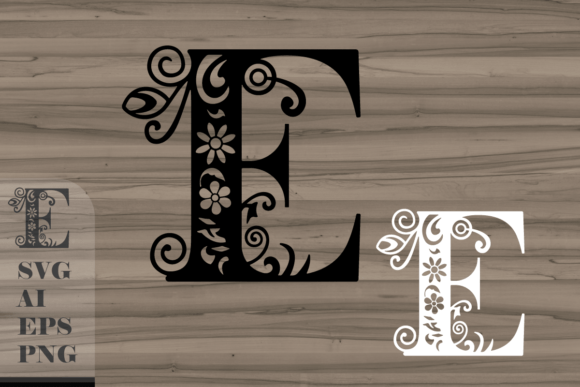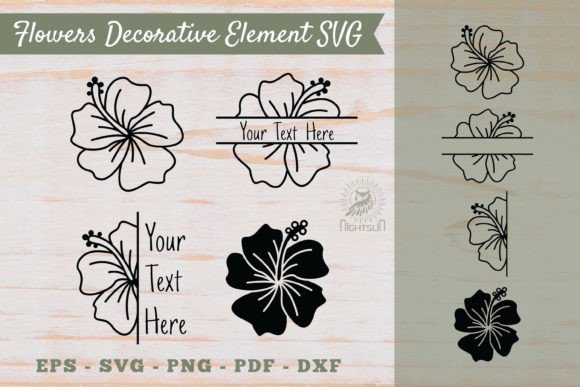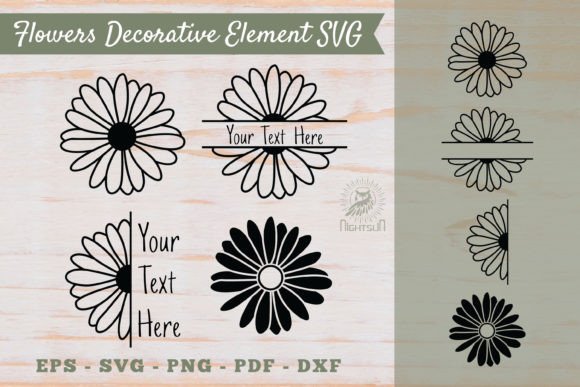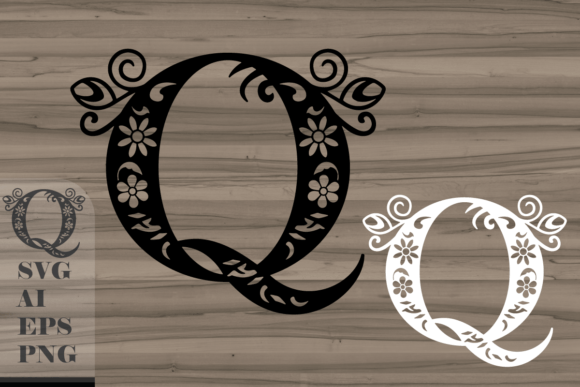
A Decorative Flower Ornament Design for Real Projects
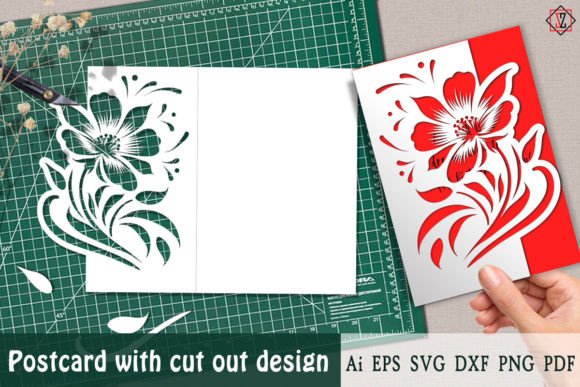
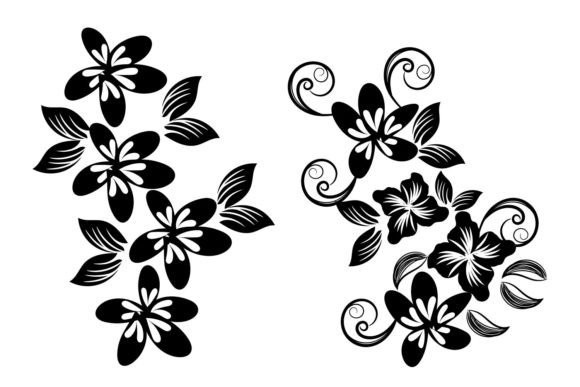
Whenever I’m evaluating an embroidery design for real work—whether it’s for a client’s custom apparel, my own small shop merchandise, or a special personalized gift—my first question is always about character. This Decorative Flower Ornament Design has a clear, graceful personality. It’s not a wild, sprawling garden; it feels more like a refined, balanced ornament. The layout is centered and symmetrical, with a level of detail that suggests it’s meant to be a focal point, not a tiny accent. The mood it creates is elegant and decorative, perfect for projects where you want a touch of polished, handmade beauty.
Where This Flower Design Finds Its Home
In practical terms, this design naturally belongs on items where its ornamental quality can shine. Picture it embroidered on a linen pillow cover for a boutique home decor line, or as the central motif on a canvas tote bag for a craft fair. I immediately thought of a custom sweatshirt for a wedding gift, or a delicate placement on a baby blanket for nursery decor. For Etsy sellers and creative entrepreneurs, this design could elevate a simple tea towel or apron into a much more giftable, professional-looking product. The shape and theme lend themselves to projects that benefit from a clean, recognizable centerpiece.
It would also work beautifully as a standalone embroidered patch, applied to a cap or backpack, or used in digital product previews and printable mockups for your craft business. As a digital embroidery file, its versatility across these formats—like the included SVG and PDF—means you can adapt it for various design assets beyond just machine embroidery, which is a nice bonus for digital product sellers.
The Real-World Stitching Considerations
Now, let’s talk about how this Decorative Flower Ornament Design performs when the needle meets the fabric. On sturdy, stable materials like cotton twill for tote bags or medium-weight apparel fabric for sweatshirts, I expect it would stitch out with excellent clarity. The detail level suggests some areas might use satin stitch for outlines and fill stitch for the broader petals, creating a nice textural contrast. However, this also means you need to be mindful of stitch density.
On thinner or stretchy fabrics—like a lightweight t-shirt or certain baby clothes—you’ll need a robust stabilizer to prevent puckering and to maintain those crisp lines. For dark fabric backgrounds, thread color contrast becomes critical; a test on scrap fabric with your chosen palette is absolutely essential here. Also, because it’s an ornamental design with likely some intricate corners, I would avoid very small hoop sizes that might compress the details. A comfortable, moderate hoop size will give it the space it deserves.
Caution on Certain Surfaces and Uses
This design should be used carefully on highly textured fabrics or on curved surfaces like caps. The detailed elements might lose definition on a rough linen or a curved baseball cap seam unless your stitch settings and stabilization are perfectly tuned. Similarly, for products destined for frequent washing—like kitchen towels or everyday apparel—you’ll want to ensure the stitch density isn’t so high that it becomes stiff or vulnerable to wear. Always test a finished sample through a wash cycle before committing to a production run for your small shop product.
Another professional note: if you’re considering this for commercial embroidery projects or selling the finished items, always confirm the licensing terms. The provided file suite is great, but understanding your rights to sell the physical embroidered product is a fundamental step for any serious maker or apparel decorator.
How This Design Elevates Your Finished Product
From a business and aesthetic perspective, a well-executed Decorative Flower Ornament Design adds significant value. Its polished look enhances customer trust in your handmade presentation. On a personalized gift, like an embroidered pillow cover, it feels deliberately crafted, not generic. For brand consistency, if your craft business leans towards elegant, decorative themes, this design could become a reliable part of your visual identity.
It boosts giftability and recognition. A customer browsing your Etsy listings for a holiday gift will immediately see the professional finish. In a crowded marketplace, designs with this kind of clear, attractive focal point engage buyers more effectively. They can visualize it on an item, which is half the battle in selling handmade products.
Practical Notes from the Embroidery Machine
Before you run this design for a real project, here’s my standard checklist. First, stitch it out on scrap fabric that matches your final material. This reveals everything: thread color interplay, the behavior of small details, and the actual stitch density. Second, check it in both black and white mockups, and compare how it looks on light and dark fabric backgrounds digitally—this helps plan your thread inventory. Third, inspect the provided files in your software. Ensure your machine has the ability to use these formats, and that the transition from the AI or EPS file to your machine embroidery file is clean, with no unexpected open paths or artifacts.
Finally, think about scale. This ornamental design likely has a sweet spot size. Stitching it too small might turn delicate accents into muddy blobs; too large might make it overwhelming for something like a baby item. Find the balance where it looks intentional and crisp on your chosen product—a tote bag design can handle a larger size, while a cap embroidery needs more restraint.
In summary, this Decorative Flower Ornament Design is a strong candidate for projects that need a graceful, centered decorative element. Its real value is unlocked through careful testing and thoughtful application on suitable products. For crafters, makers, and small business owners looking to add a touch of elegant handmade appeal to their work, it’s a graphic worth exploring with a practical, confident approach.