Decorative Vintage Frames & Borders: A Designer’s Review for Crafts & Graphics
The Initial Impression: More Than Just a Design Asset
When you unzip Decorative Vintage Frames and Borders, the first thing you notice isn’t just a collection of files—it’s a distinct mood. These graphics evoke a sense of curated history, warmth, and handmade charm. They don’t scream “old”; they whisper “authentic.” This isn’t a generic clipart bundle. It feels like a set of ready-to-use artistic embellishments, perfect for projects that need to convey personality and care. My immediate thought was of a client project for a local artisan bakery launching a seasonal cookie collection. This asset could provide the perfect visual wrapping.
Where This Vintage Style Finds Its Natural Home
The style represented here naturally aligns with brands and projects built on storytelling. Think of a handmade business on Etsy, a boutique product line for organic teas, the branding for a cozy independent bookstore, or the promotional materials for a vintage-themed wedding. For a creative marketplace seller, these borders could instantly elevate product labels or digital ads. For a marketer crafting a campaign for a small business branding a “slow-made” ethos, these elements add a layer of visual trust and emotional appeal that stock photography alone often misses.
Real-World Design Applications: From Mockups to Merch
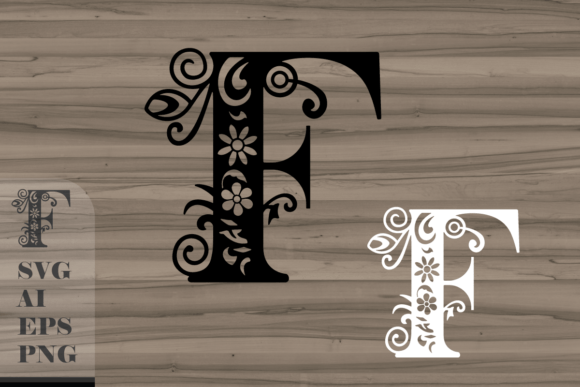
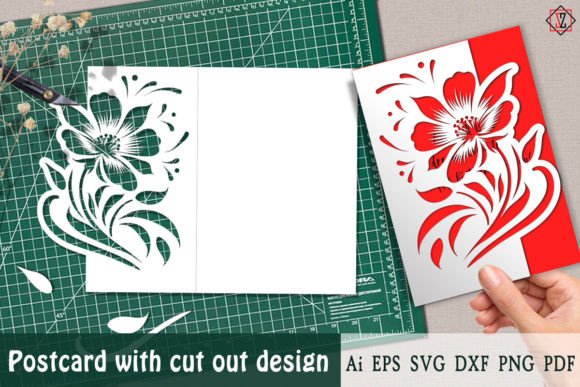
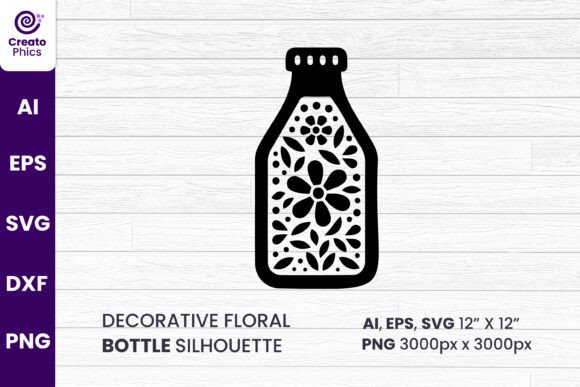
In practical terms, Decorative Vintage Frames and Borders performs beautifully across a spectrum of commercial design needs. For logo design or brand identity for a craft brand, a simplified frame element could become a recognizable seal. In packaging design, they work as exquisite accents on labels, boxes, or wrap patterns. For printable designs like invitations, posters, or wall art, they provide a ready-made structure that feels editorial and polished.
I’ve mentally placed these assets onto several product mockups: a tote bag, a mug, a t-shirt. The intricate details translate well to sublimation design and Cricut projects for sticker design or merchandise, provided the lines are clear in the SVG files. For digital use, they can anchor social media graphics for Instagram or Pinterest, giving a cohesive, themed look to a campaign. They can also serve as decorative borders in blog visuals or website graphics for a brand’s “About Us” or product story pages.
The Sweet Spot: Where These Graphics Excel
This design bundle shines in applications where detail is celebrated. Use it in large layout areas like poster headers or hero graphics on a website. It excels as a decorative accent on product labels or as a unifying element across a themed collection of print-on-demand items. For a digital seller creating Canva templates for clients, these frames add a professional, customizable touch that moves beyond basic shapes.
A Note on Caution: Strategic Application for Best Results
As with any detailed graphic design asset, thoughtful application is key. In small sizes—think tiny icons or footer details—the intricate lines may become muddy or lose impact. Avoid crowded layouts where they might compete with essential text or product imagery. On complex backgrounds, they could lose definition. For projects requiring a very clean visual hierarchy or a strictly minimalist, corporate aesthetic, this vintage style might feel out of place. The asset demands contrast; on a low-contrast design, it could simply disappear.
Professional Polish: Impact on Readability and Brand Perception
When used well, Decorative Vintage Frames and Borders significantly boosts a project’s perceived craftsmanship. It provides a visual hierarchy by naturally drawing attention to content enclosed within it. However, you must pair it with appropriate typography. A bold sans serif font inside a ornate frame can create a striking, modern-vintage hybrid. A script font might enhance the romantic feel, while a classic serif font reinforces editorial elegance. Always test readability—ensure the frame doesn’t overpower the message it’s meant to highlight. This balance directly affects audience engagement and the overall impression of professionalism.
The Practical Designer’s Checklist Before Client Use
Before committing this asset to a real client project, run it through a few essential tests. First, preview the elements at both thumbnail and full-page sizes to gauge detail retention. Second, test it in black and white to ensure it holds structural value without color. Check contrast by placing it on both light and dark backgrounds.
The provided file formats—AI, EPS, SVG, PNG, PDF—are a major advantage for creative design flexibility. For Cricut users and those needing precise scaling, the vector files (SVG, EPS, AI) are crucial. Inspect the PNG files for clean transparency if you plan layered digital compositions. For print quality, especially for printable designs or packaging details, test a high-resolution PDF output.
Most importantly, confirm the commercial license terms. As a professional using assets for client or business projects, unambiguous licensing is non-negotiable. Once confirmed, place the frames onto your actual product mockups or draft layouts. See how they interact with your client’s color palette and imagery. This final step reveals whether the asset truly integrates into the brand identity or merely sits on top as a decoration.
A Final Thought on Vintage as a Visual Tool
Decorative Vintage Frames and Borders is more than a design bundle; it’s a shortcut to a specific, audience-resonant aesthetic. For designers, brand owners, and content creators working with niches that value authenticity, this asset can streamline the visual development process. It provides a foundation of detail that might take hours to illustrate from scratch, allowing you to focus on the broader marketing visuals and story. In the right project, it helps the final result feel not just completed, but thoughtfully composed. That’s the real value of a well-crafted digital product in your toolkit.