Decorative Abstract Turtle Butterfly: A Designer’s Review
First Impressions: A Whimsical Fusion of Turtle and Butterfly
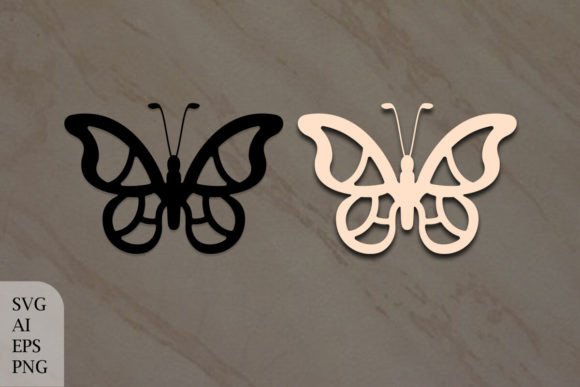
When I first opened the Decorative Abstract Turtle Butterfly file set, I wasn’t looking at a ready-to-stitch embroidery file. I was staring at a beautifully strange, almost dreamlike graphic that immediately sparked a dozen project ideas. The design combines the sturdy, grounded silhouette of a turtle with the delicate, airy wings of a butterfly in a way that feels both playful and sophisticated. It’s abstract, but not so abstract that you lose the creature’s identity. The lines flow with a sense of motion, and the composition has a natural balance that would translate surprisingly well to fabric and thread.
As an embroidery designer, I evaluate a graphic not just by how it looks on screen, but by how it might behave under the needle. The provided files — two crisp PNGs at 4669×3217 pixels with transparent backgrounds, two SVGs, two AI files, and two EPS files — told me immediately that this was built for versatility. The 300 DPI resolution is generous enough for detailed mockups, and the vector formats are a digitizer’s dream. If you’re using software like Wilcom, Hatch, or Embrilliance, you can import these paths directly and start mapping stitches without redrawing a thing.
Translating Abstract Art into Thread and Fabric
Abstract designs can be a gamble in embroidery. Too many tiny loose elements, and you’ll face thread breaks or a messy result. Too much density, and the fabric puckers. Decorative Abstract Turtle Butterfly hits a sweet spot. The abstract shapes are bold enough to be simplified into clean satin stitch columns, yet detailed enough to hold visual interest. I’d likely break this into a few well-planned sections: the turtle’s shell could become a textured fill stitch, while the butterfly wings lend themselves to flowing satin outlines with some open areas to let the fabric breathe.
I ran a few mental stitch-out scenarios. With the right thread color choices — maybe a dusty teal for the shell, soft coral for the wing accents, and a warm charcoal outline — this design would pop on natural linen or cotton canvas. The mood is almost bohemian, a little vintage, with a touch of modern minimalism. It’s not a loud, cartoonish graphic. It’s the kind of image that makes a customer pause and smile, the kind that gets a second look at a craft fair.
Where This Design Shines: Product Ideas That Sell
Let’s talk about real-life projects. I’m picturing a sturdy tote bag, maybe in unbleached cotton, with this design stitched in the lower corner. The turtle butterfly gives off a calm, nature-inspired vibe that would work beautifully for a boutique selling handmade accessories, yoga props, or eco-friendly goods. I’ve also considered it on a linen pillow cover — the soft, organic lines would turn a plain home decor piece into a conversation starter. For the nursery market, it’s a gentle alternative to typical baby animals. Stitched in pastel threads on a muslin blanket or a tiny onesie, it feels thoughtful and unique.
For Etsy sellers or small shop owners, this design has clear commercial appeal. It’s not a common motif; you won’t find a dozen other shops selling the same thing. The abstract turtle butterfly could be the signature of a small brand, used across custom apparel, embroidered patches, aprons, tea towels, or even caps if you scale it carefully. I’ve seen designs like this used on the back of a denim jacket with stunning results. The key is to keep the stitching clean and let the shapes do the talking.
The Tricky Corners: What to Watch Out for When Stitching
No design is perfect for every project, and Decorative Abstract Turtle Butterfly comes with a few practical considerations. First, this is not a file you can load directly into your embroidery machine. It’s a graphics package, meaning you’ll need to digitize it yourself or hire a digitizer. The vector formats make that process smooth, but it’s an extra step — and an extra cost — if you’re not set up for digitizing. Always check the licensing terms before you sell finished products or digital embroidery files derived from it. The product description doesn’t specify commercial use rights, so I’d reach out to the creator to confirm, especially if you plan to sell digitized versions.
When you do digitize, pay close attention to stitch density and hoop size. The abstract details might look intricate, but in embroidery, less is often more. I’d test the design at a few sizes: a 4×4 inch hoop for a patch or a small pocket accent, and a larger 5×7 or 6×10 inch version for a tote bag or sweatshirt. On dark fabrics, you’ll need to adjust underlay and thread colors to maintain contrast. The PNG files are great for creating printable mockups, so you can see how the design reads on a black background before you stitch a single thread.
I’d also avoid using this on highly textured fabrics like terry cloth or thick fleece for the first run. The abstract wing details could get lost in the pile. And if you’re stitching on a cap or a curved surface, the design’s layout might need slight reworking to prevent distortion. Always test on scrap fabric that’s similar to your final product. It’s a rule I never break, no matter how straightforward a design looks.
From Digital Graphic to Stitchable Art: My Workflow
Here’s how I’d approach a real project with this design. Let’s say I’m preparing a batch of personalized gifts — embroidered canvas pouches for a wedding party. I’d open the SVG file in my digitizing software, clean up any overlapping paths, and assign stitch types. The turtle’s body outline becomes a running stitch for definition, while the shell segments get a light fill stitch with a subtle pattern. The butterfly wings I’d treat as a mix of satin stitch borders and open centers, maybe with a few decorative running stitch veins to mimic that delicate look without adding bulk.
Thread selection is critical. I’d pull from my stash of high-sheen polyester threads for a bit of subtle shimmer, keeping the palette muted — sage green, dusty rose, warm grey, and off-white. The design’s abstract nature means you can play with thread colors seasonally: earthy tones for fall, icy pastels for winter holidays. For a holiday embroidery project, I’d add a tiny metallic gold accent in the turtle’s eye, just enough to catch the light.
Stabilizer choice depends on the fabric. For a woven cotton tote, a medium-weight cutaway stabilizer works perfectly. On a stretchy baby embroidery onesie, I’d use a no-show mesh stabilizer and a water-soluble topping to keep the stitches from sinking in. The design isn’t overly dense, so it shouldn’t cause stiffness, but I always run a test stitch-out on a similar fabric scrap first. It’s the only way to know if the stitch density feels right under your fingers.
Practical Tips for Embroidery Designers and Craft Business Owners
If you’re a craft business owner or Etsy seller thinking about using Decorative Abstract Turtle Butterfly, here are a few things I’ve learned from years of turning graphics into finished products. First, don’t skip the black-and-white mockup. The PNG files let you quickly test contrast; a design that looks gorgeous in color might wash out in greyscale on a light fabric. I often print the design at actual size, cut it out, and pin it to the product to see how it sits.
Second, think about the finished product presentation. An embroidered piece with this design will sell better if you photograph it in a lifestyle setting — a cozy blanket draped over a chair, a tote bag hanging at a farmer’s market. The abstract turtle butterfly has a storybook quality that appeals to buyers looking for something with a little more soul than a standard floral or monogram.
Third, keep a record of your digitizing settings. If you create a 5×7 version that stitches out beautifully, save those settings as a template. You can reuse them for other abstract designs in your library. The vector files in this package are clean and well-organized, which makes it easy to scale the design without losing detail. That’s a huge time-saver when you’re juggling multiple embroidery projects.
When to Use Extra Caution
I wouldn’t recommend this design for extremely small embroidery, like a tiny label or a 1-inch patch. The abstract turtle and butterfly details might blur together at that scale. Stick to a minimum of 3 inches wide for the main motif. If you’re planning to use it on a baby item, make sure the digitized version has no sharp, dense edges that could irritate sensitive skin. A soft, low-density fill with a smooth underlay will keep it comfortable.
For dark fabric projects, the PNG files can be a little misleading because the transparent background looks perfect on screen. In reality, dark thread on a dark shirt loses its impact. You’ll need to either lighten the thread colors significantly or add a subtle outline in a contrasting shade. I’ve found that a thin white or silver outline around the turtle shell does wonders on a navy sweatshirt.
Final Thoughts: A Worthwhile Addition to Your Design Library
After spending time with Decorative Abstract Turtle Butterfly, I can say it’s a graphic that punches above its weight. It’s not a plug-and-play embroidery file, but for a designer who enjoys the digitizing process, it’s a joy to work with. The shapes are clean, the concept is unique, and the mood it creates is immediately appealing. Whether you’re building a handmade product line, preparing a personalized gift, or adding to your digital embroidery file collection, this design has real staying power.
It straddles the line between whimsy and elegance, making it versatile enough for children’s items, sophisticated home decor, and wearable art. The files are well-organized and high-resolution, which tells me the creator understands what designers need. As always, confirm the commercial embroidery rights before you sell anything made from it, and test your digitized version thoroughly. But if you’re looking for a design that helps your products stand out — something that feels handcrafted, not mass-produced — this abstract turtle butterfly is a smart choice.