Decorative Vintage Tiara Graphics for Crafts Branding
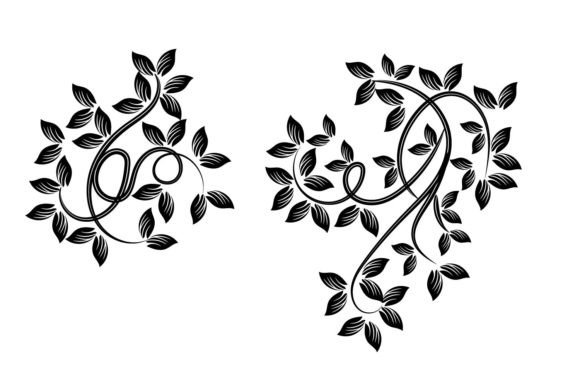
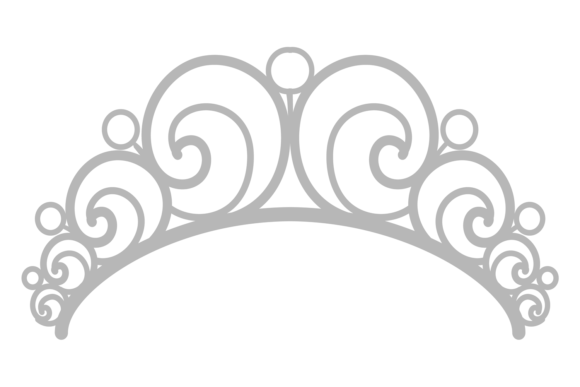
When I first opened the Decorative Vintage Tiara. Swirly Line or file, I immediately pictured a tiny patisserie tucked into a cobblestone street, the kind of place where the cake boxes feel like keepsakes. The ornament is a delicate dance of filigree and flow—part heirloom, part whimsy. It’s not a literal crown; it’s a suggestion of refinement, a swirly line motif that reads as both ornamental and soft. For a small business owner trying to build a memorable brand identity, this is the kind of graphic design asset that can elevate everyday packaging into something that feels intentionally curated.
The mood it creates is distinctly feminine, vintage, and decorative without tipping into costume territory. The lines have a hand-drawn rhythm, which makes the tiara feel warmer than a rigid vector emblem. On a white background, it holds its own as a standalone hero element, but the transparent PNG and SVG formats mean it can slip quietly into a layered composition. I’d call its personality graceful nostalgia—it suggests a brand that values tradition, storytelling, and a personal touch. That’s a powerful emotional cue for local businesses, especially in the handmade and food space.
Why This Tiara Ornament Speaks to a Certain Kind of Business
Not every brand needs a vintage tiara. But when you’re building a boutique bakery, a floral studio, a candle brand, or a children’s party decor line, the right ornamental detail can become the silent signature of your visual identity. This swirly line ornament fits businesses that want to feel romantic, heirloom-inspired, and slightly indulgent. Think of a macaron shop that wraps each box in tissue paper and seals it with a wax stamp, or a handmade soap maker whose labels whisper of garden roses and lavender sachets. The tiara graphic adds that final layer of charm that says, “We care about the details.”
In my practice, I’ve used similar design assets to anchor a brand’s secondary palette—the decorative element that appears on thank-you cards, tissue paper inserts, and the inside flap of a product box. That’s where this graphic truly shines. It’s not shouting for attention; it’s waiting to be discovered. For a crafts business, that quiet discovery builds a deeper emotional connection with customers, something that generic clipart rarely achieves.
Translating the Swirly Line Motif into Real Packaging Design
Let’s ground this in a real project. I recently worked with a small batch preserve maker who wanted packaging that felt like a gift from a country kitchen. We used a similar vintage ornament on the lid labels, printed in a single soft gold ink on kraft paper. The effect was immediate: the jars looked like they belonged on a high-end pantry shelf, not a farmer’s market stall. The Decorative Vintage Tiara. Swirly Line or asset could work the same way. It’s ideal for product labels, hang tags, and the front panel of a folding carton where the ornament acts as a subtle frame for the product name.
Because it’s isolated on a white background in the source files, you can drop it onto any color surface without a halo. The transparent PNG is gold for quick mockups; the SVG and EPS files let you scale it to fit a billboard or a tiny sticker without losing a single curve. That versatility is critical for a small business branding project. You might use the full tiara on a storefront window decal, then reduce it to a delicate icon on a social media graphic. The visual consistency across touchpoints reinforces brand recognition, which is the bedrock of customer trust.
Where the Ornament Elevates Marketing Visuals
I’ve watched too many handmade sellers rely on plain product photos and generic Canva templates. A well-chosen graphic design asset like this tiara can transform a flat Instagram post into a cohesive brand story. It works beautifully as a decorative element on social media graphics, promotional banners, and website headers. When placed behind a headline or used as a corner accent, the swirly lines add a sense of occasion. For a seasonal campaign—Mother’s Day, Valentine’s, or a holiday gift guide—it introduces a festive yet grown-up feel that doesn’t rely on clichés.
On product mockups, the tiara can serve as a watermark or a subtle design feature on a thank-you card lying beside the product. This kind of editorial styling helps small businesses present a more professional and polished image, even if they’re working from a home studio. The key is to use it with restraint: let the ornament breathe, and don’t crowd it with competing elements.
Practical Designer Notes Before You Commit
I always test a new graphics asset in the trenches. Here’s what I’d check with this particular tiara:
- Print quality at small sizes. The swirly lines are delicate, so run a test print on a label sheet. On a 2-inch hang tag, the filigree might close up if the line weight is too fine. The SVG file lets you adjust stroke width slightly, but the original design should be your guide.
- Black and white usage. If you ever need a one-color version for a rubber stamp or an embossed detail, convert the ornament to pure black and assess whether the detail holds. The inherent openness of the design suggests it will, but always verify.
- Brand color integration. Try it in your brand’s secondary palette—maybe a dusty rose, a muted sage, or a warm copper. The vintage mood often pairs best with softer, desaturated tones rather than primaries.
- Font pairings. I’d test the tiara alongside a refined serif font (like Cormorant Garamond), a flowing script (like Great Vibes), and a clean sans serif (like Raleway) to see how the ornament interacts with the typography. Usually, a serif or script amplifies the vintage feel, while a sans serif creates a charming tension between old and new.
- Licensing clarity. Before using it for client work or physical product sales, review the commercial license attached to the digital product. Many creative marketplace assets allow commercial use, but if you’re trademarking a logo, you may need extended rights. Never assume.
When This Vintage Tiara Might Not Be the Right Fit
I’m a firm believer in matching the asset to the brand’s core personality. If your business is a sleek, minimalist skincare line with a clinical aesthetic, this ornament will feel like a costume. The same goes for tech startups, corporate law firms, or any brand that relies on geometric precision and stark white space. On product packaging that is already dense with ingredient text, certifications, and barcodes, adding a decorative tiara could create visual chaos. It’s best used as a primary decorative element on a clean layout, not as an afterthought.
Also, be cautious with low-contrast backgrounds. The fine lines of the swirly motif can disappear on a busy pattern or a dark, textured surface. Always preview the design on the actual substrate—whether that’s a kraft paper box, a glossy label, or a matte pouch—to ensure the ornament holds its own.
A Real-World Scenario: Boutique Bakery Branding
Let me walk you through a hypothetical project to illustrate the thought process. I’m branding a small patisserie called “Sugared Violet.” The owner wants a look that’s nostalgic but not stuffy. The Decorative Vintage Tiara. Swirly Line or becomes the unifying motif. I place it on the top flap of the cake box, embossed in white foil on a pale lilac background. The same ornament, scaled down, appears on the price list and on the corner of the menu. On social media, I use it as a soft watermark behind photos of lavender éclairs. The result is a brand that feels orchestrated, not thrown together. Customers begin to recognize the tiara before they even read the name, and that’s the hallmark of a strong visual identity.
For a crafts business, the application is equally compelling. Imagine a handmade candle line: the ornament can wrap around the label, printed in a single metallic ink, turning a simple glass jar into a decor piece. Or a wedding invitation designer could use it as a framing element for the couple’s names. The tiara’s versatility lies in its ability to adapt—it’s as much a graphics tool as it is a decorative flourish.
Maximizing the File Formats for Professional Results
The available formats—EPS, JPG, SVG, and transparent PNG—cover the full spectrum of design needs. The EPS and SVG are vector files, which means you can scale the ornament to any size without quality loss. That’s non-negotiable for professional printing. The transparent PNG is a workhorse for digital mockups and Canva designs; you can layer it over product photos without a white box. The JPG is fine for quick digital use, but always keep the layered or vector version for high-stakes projects. I routinely open the SVG in Adobe Illustrator to change the color, adjust the stroke weight, or even break apart the elements for custom compositions. That level of editability is a major advantage of a well-built graphics asset.
Final Thoughts on the Tiara as a Branding Ally
After years of advising small business owners, I’ve learned that the most effective branding isn’t about the loudest logo—it’s about the smallest, most consistent details. The Decorative Vintage Tiara. Swirly Line or ornament is one of those details. It brings a hand-finished quality to promotional materials, packaging, and digital touchpoints. For a local business aiming to build customer trust and a sense of heritage, it’s a quiet, powerful asset. Use it thoughtfully, test it thoroughly, and let it become the signature curve that customers remember long after the sale.